I Can Analyze It All Day, But My Heart Needs Witnessing
Feb 19, 2026
I want to start by naming the real focus: the survivors. The women, the children, the people whose lives were harmed and whose courage in speaking truth continues to inspire change. Their suffering is real, and their resilience matters above all else.
This piece isn’t about taking attention away from them. It’s about what happens to those of us who bear witness — who process grief, fear, and outrage in our bodies — while holding empathy for those directly impacted.
When stories of abuse of power surface, like the headlines around Epstein, my brain can switch on instantly. I can analyze it. I can contextualize it. I can trace systemic failures. I can research, write, and have takeaways. I can stay cognitive all day long.
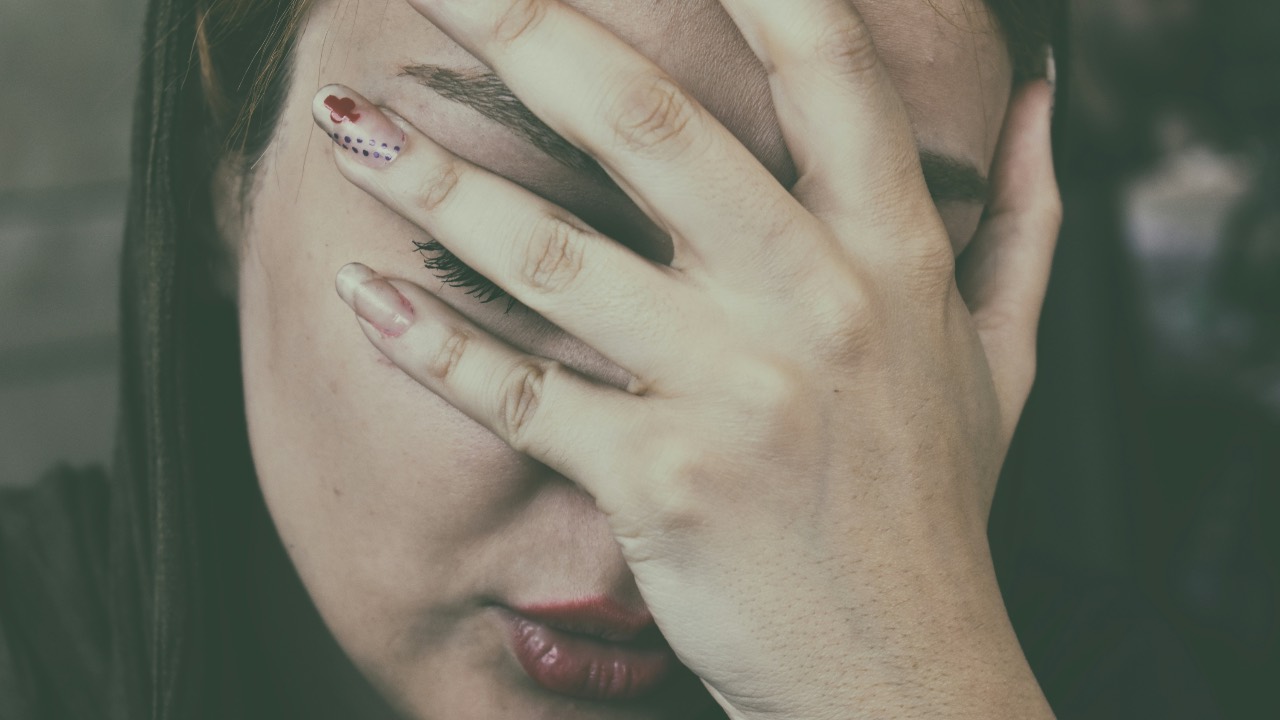
But underneath that sharp, capable mind? There’s an ache — one that lands as I think about the survivors’ courage and suffering.
If I’m honest, right now, I don’t actually want a "hot take" on this shit.
Yes, we need to search for reasons. We need to trace systems of power. We need to understand how abuse happens, so we can prevent it. That work matters.
But witnessing trauma without intellectualizing it away is something different.
It’s staying with the ache in the body. It’s letting grief register. It’s allowing the nervous system to process what the mind already understands.
Maybe especially now, prevention isn’t just sharper analysis. Maybe it’s more regulated humans. People who can stay present with horror without dissociating. Parents who teach consent not just as a rule, but as an embodied value. Communities that don’t normalize power without accountability.
I want to be able to reach out to someone and say:
“Can you just hold me while I process this?”
Not because I don’t understand it. Not because I need someone to explain the world.
But because sometimes the weight of it lands in my body — alongside the grief for those who have already endured so much.
It whispers:
-
Is the world safe for my babies?
-
Are the powerful protecting or exploiting?
-
Am I alone in caring this much?
-
Am I doing enough to honor and support those who suffered?
And if you’re a mother/parent, it can hit somewhere primal.
The ache in my heart when I think about my babies growing up in a world where wealth and influence shield predators — it’s not intellectual. It’s protective. It’s ancient.
It’s also empathy for those who didn’t have the choice to protect themselves.
And I can hold that.
But sometimes, I don’t want to hold it alone.
I don’t want debate.
I don’t want performative outrage.
I don’t want someone to minimize it.
I don’t want someone to spiral into cynicism.
I want steadiness.
I want to know there are people — men and women — who are actively working toward a safer world, for me, for my children, and for the survivors who showed unimaginable courage.
I want to know integrity still exists.
I want to feel that strength doesn’t automatically equal exploitation.
I want to feel safe for a moment. (I'm sure those victims did too. I'm sorry.)
There is something radical about admitting that.
Especially as women who are used to being:
-
The strong ones.
-
The processors.
-
The emotionally literate ones.
-
The ones who “get it.”
We can intellectualize injustice all day.
But the body still needs comfort.
The heart still needs witnessing — and not just for ourselves, but in solidarity with those who have already lived through it.
There is power in saying:“I don’t need analysis. I need to feel held.”
I want to witness what happened without immediately converting it into insight. I want to stay human before I become articulate.
To witness trauma is to hold it fully, to let it move through us without rushing to fix, explain, or intellectualize. It’s to stay present in our bodies, to feel grief and fear, and to honor those who survived first — before turning it into a lesson or commentary.
And here’s the part I keep reminding myself: There are people doing the work. There are investigators, therapists, journalists, advocates, parents, educators — and yes, mothers like me — who are actively shaping a safer world for everyone, especially those who suffered.
Every time we teach our children boundaries.
Every time we refuse to normalize harm.
Every time we speak clearly about consent.
Every time we choose integrity over access.
We are building something different — a world that honors the survivors first.
But sometimes, in the middle of it, the ache is overwhelming.
So this is me saying it plainly:
I don’t always want to be the analyst.
I don’t always want to be the coach.
I don’t always want to be the one holding it all together.
Sometimes I just want to reach out and be held.
And in that moment of steadiness — when I allow myself to feel witnessed, supported, and safe — I remember:
I am part of building a safer world.
My children are learning from how I respond.
And my voice, my clarity, my writing, and my heart can coexist — alongside the survivors whose courage anchors the world we are striving to create.
Sometimes the bravest thing we can do is simply say:
“I don’t need a hot take. I just need someone to sit with me while I feel it all.”
Resources for Survivors and Allies
-
RAINN (Rape, Abuse & Incest National Network) – Provides confidential support and advocacy for survivors. Call 1-800-656-HOPE or visit rainn.org.
-
Polaris Project – Works to combat human trafficking and supports survivors. Visit polarisproject.org.
-
National Sexual Violence Resource Center (NSVRC) – Offers resources, information, and training on sexual violence prevention and survivor support. Visit nsvrc.org.