The Line Between Staying Informed and Self‑Harm via Overexposure
Feb 07, 2026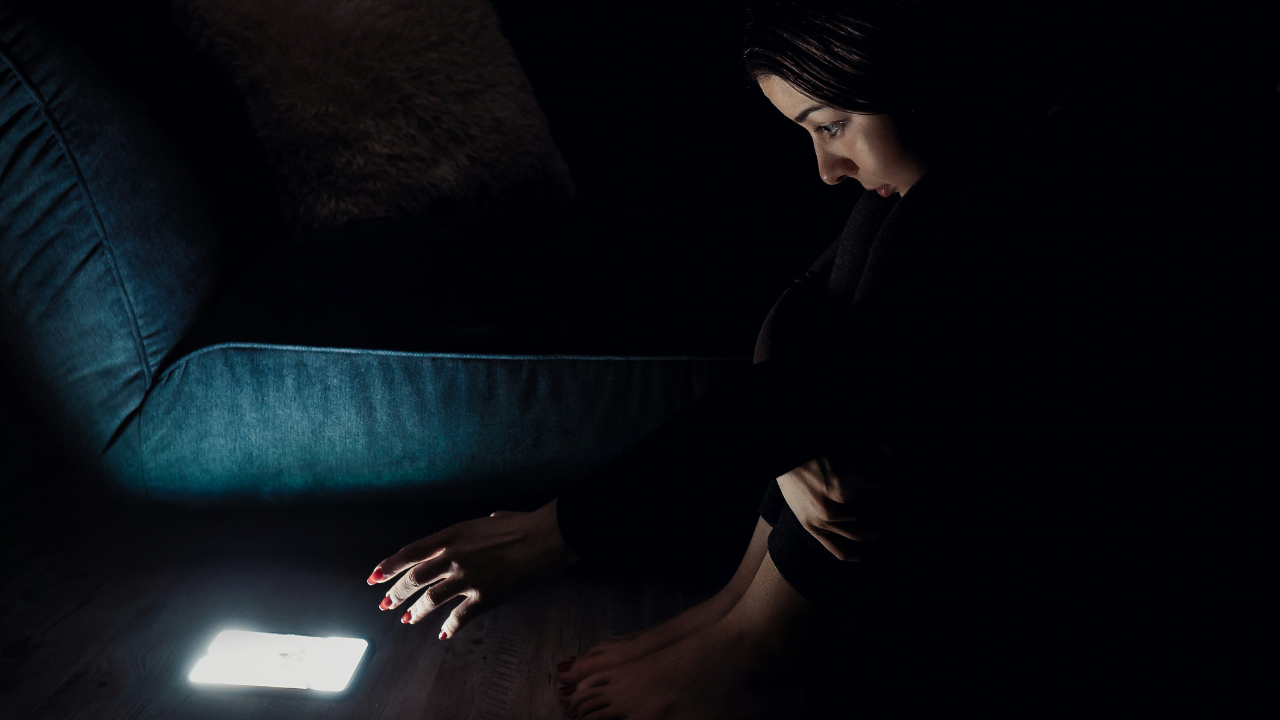
There is a moment—quiet, often unnamed—when “staying informed” stops being an act of conscience and starts becoming an act of harm against the self.
Most cultures don’t teach us how to recognize that line. In fact, we often reward crossing it. We praise endurance, exposure, and the ability to “handle the truth,” even when the truth is delivered without containment, context, or care.
But there is a line. And naming it matters.
The Line, Clearly Stated
Staying informed increases your capacity to protect life.
Overexposure erodes that capacity.
That’s the distinction.
If what you’re taking in helps you act with clarity, discernment, and care, it is information.
If what you’re taking in leaves you dysregulated, despairing, numb, or flooded, it has crossed into self‑harm—regardless of how “important” the content is.
What Staying Informed Actually Feels Like
When information is integrated rather than overwhelming, it tends to produce:
-
grief that moves through the body, not grief that traps it
-
anger that sharpens boundaries rather than dissolving hope
-
sadness that deepens compassion
-
clearer values and ethical resolve
In the body, there is still:
-
enough grounding to eat, sleep, and breathe
-
access to beauty, connection, or meaning
-
the ability to stay present with others
Information lands, is processed, and becomes wisdom.
When Awareness Turns Into Harm
Overexposure has a different signature, and it’s one we rarely talk about honestly.
You may notice:
-
compulsive scrolling even when it hurts
-
repeatedly viewing images or details you wish you could unsee
-
crying that brings no relief
-
globalized mistrust (“everyone is dangerous”)
-
loss of pleasure, softness, or intimacy
-
intrusive thoughts that weren’t there before
-
a feeling of moral obligation to witness everything
This is no longer awareness.
This is re‑traumatization.
Bearing witness beyond your nervous system’s capacity does not help survivors. It creates more wounded witnesses.
Why This Especially Affects Sensitive People
People who are perceptive, empathic, and attuned to power dynamics often internalize the idea that they must take in more, know more, see more—because they can feel more.
But sensitivity does not mean infinite capacity.
Some nervous systems are designed to process depth, not volume. They metabolize meaning, not constant exposure. For these people, boundaries around information are not avoidance—they are ethical necessity.
Limits Are Not Only OK — They’re Psychologically Necessary
We have to start saying it out loud: limits are ok. We need limits.
Psychologically, humans are finite systems. Every nervous system has a threshold for stress, trauma, and moral pain. When we exceed that threshold, we enter hyperarousal, numbing, or shutdown—states where we can no longer process information effectively, make clear choices, or act in service of our values.
Setting limits is not avoidance. It is self-preservation and ethical engagement.
Limits allow:
-
grief to be integrated instead of trapped
-
moral clarity to be maintained instead of fragmented
-
sustained attention and action instead of burnout
-
compassion for self and others to remain intact
Psychology calls this emotional regulation and boundary setting. Neuroscience shows it protects the prefrontal cortex—the part of the brain that allows ethical reasoning, reflection, and long-term planning—so we don’t collapse into reactive despair.
In short: limits are the foundation for sustained moral action.
Society Doesn’t Want Us to Have Limits
Here’s the truth: society actively discourages limits. We’re trained to believe that stepping back is laziness, weakness, or moral failure. Everywhere we turn, the unspoken message is: if you care, you must endure, witness, and consume endlessly.
This happens on multiple levels:
-
Culture glorifies “more is better” – Endurance, overwork, constant vigilance, and emotional exposure are framed as virtue. Saying “enough” feels like giving up.
-
Fear of missing out and moral obligation – In the age of constant news and viral outrage, pausing feels like betrayal of justice, survivors, or moral duty.
-
Identity and self-worth – Many of us tie our value to how much we can endure, witness, or process. Saying “I need a limit” triggers guilt.
-
Nervous system hijack – Our bodies respond to overstimulation as threat, tricking us into thinking more exposure equals responsibility, when really it’s hyperarousal.
-
Existential fear – Limits feel like boundaries in consciousness: if I stop watching, thinking, or witnessing, will I “miss” reality? This fear taps into a deep desire to fully understand, fully see, fully be awake.
In short, society trains us to confuse overexposure with moral courage. But the truth is: limits are what make moral courage sustainable. They allow you to stay grounded, alive, and capable of ethical action.
Who Benefits When We Don’t Have Limits
Here’s the uncomfortable truth: when we reject our limits, it’s not just bad for us—it helps others.
-
Powerful people and institutions benefit from endless exposure, outrage, and distraction. The more we consume, react, and obsess, the less energy we have to create real change or protect ourselves.
-
Media and social platforms thrive on our overstimulation. They profit from outrage, clicks, and engagement, not from our rest, reflection, or discernment.
-
Systems of injustice benefit when we are flooded. Constantly witnessing harm without pause keeps us reactive instead of strategic, exhausted instead of effective.
In other words, our resistance to limits doesn’t just hurt us—it strengthens the very structures that perpetuate harm.
Setting boundaries, limiting exposure, and protecting our nervous systems isn’t selfish—it’s strategic. It’s how we maintain the energy, clarity, and moral capacity to act in ways that truly matter.
A Reframe That Changes Everything
You are not required to consume horror to oppose it.
You can:
-
believe survivors without reading every detail
-
oppose abuse without viewing graphic material
-
stay awake without staying flooded
Awareness does not require immersion.
A Simple Question That Protects You
Before engaging with heavy content, ask:
Will this help me protect life—or am I feeding my pain?
If it helps you protect life, proceed gently and with limits.
If it feeds pain, stop—and orient back toward something living.
That pause is not denial.
It is discernment.
What Ethical Engagement Actually Looks Like
Ethical witnessing includes:
-
choosing trusted summaries over raw material
-
setting time and content limits
-
closing the loop with grounding or connection
-
channeling grief into education, care, or action
-
knowing when to step back
There is no virtue in shattering yourself.
The Deeper Truth
Harm thrives on two things:
-
Silence
-
Endless repetition
Healing refuses both.
You are allowed to say:
I have seen enough to know this is real. I do not need to see more to honor it.
That is not turning away.
That is integration.
Journal Questions for Integration and Boundary Clarity
Here are some prompts to help reflect without overexposure:
-
What is the difference between information that grounds me and information that overwhelms me?
-
When I engage with difficult content, what happens in my body and nervous system? Where do I feel tension or collapse?
-
What are my non-negotiable limits for my nervous system and emotional well-being?
-
How do I act in the world from a place of clarity rather than compulsion or despair?
-
What small, protective rituals can I practice after taking in heavy information?
-
In what ways can I honor survivors and stand against abuse without harming myself?
-
How can I hold grief, outrage, and moral clarity simultaneously without shutting down or overexposing myself?
I’m here.
I’m still in mourning mode. I’m not writing from the other side of this—I’m writing from within it. But this distinction has helped me stay intact, and I have a feeling it could help many of us who are trying to remain awake without breaking ourselves in the process.
Love ya,
EM